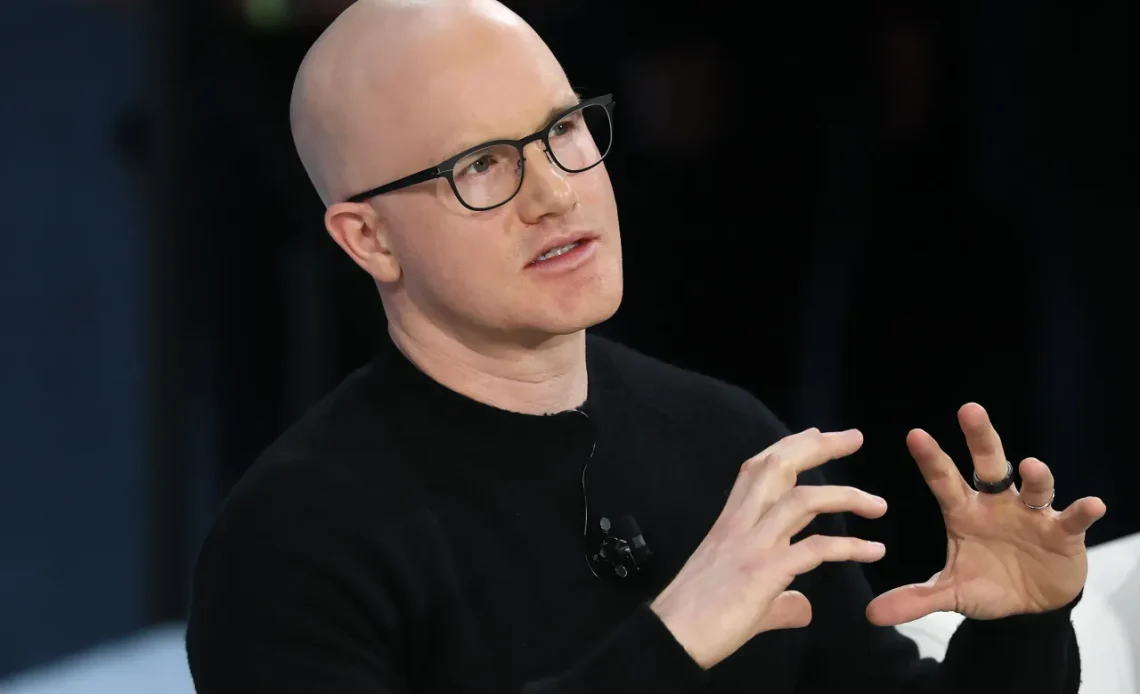
Brian Armstrong, the CEO of Coinbase, sent shockwaves through the halls of the United States Senate on January 14, 2026, by officially withdrawing his company’s support for the highly anticipated “Digital Asset Market Clarity Act.” This sudden reversal comes after months of intense industry advocacy and multi-million dollar contributions to pro-crypto political action committees during the 2024 election cycle. Speaking via social media and during high-profile interviews at the World Economic Forum in Davos, Armstrong declared that he would “rather have no bill than a bad bill,” asserting that the current 270-page draft contains provisions that would leave the industry in a worse position than the status quo. The Coinbase chief specifically cited a “de facto ban” on tokenized equities and a significant erosion of the Commodity Futures Trading Commission’s authority as deal-breaking issues. This bold stance has effectively stalled the Senate Banking Committee’s markup process, highlighting the immense influence that America’s largest exchange holds over the legislative future of the digital asset economy.
The Battle Over Stablecoin Yield and the Influence of Legacy Banking
The primary point of contention for Armstrong remains a late-stage amendment to the legislation that would prohibit stablecoin issuers from paying yield or rewards directly to token holders. Banking lobbyists have aggressively pushed for this restriction, arguing that high-yield stablecoins could trigger a massive “deposit flight” from traditional commercial banks, undermining the nation’s lending capacity for businesses and homebuyers. Armstrong has countered this narrative by labeling the move a clear example of “regulatory capture,” where legacy institutions use government power to ban their competition rather than competing on a level playing field. For Coinbase, the stakes are exceptionally high, as a significant portion of the firm’s 2025 revenue was derived from its USDC partnership with Circle. By framing the dispute as a fight for “economic freedom,” Armstrong is attempting to protect the programmable nature of digital dollars, ensuring that they can function as a superior payment rail rather than merely a digitized version of the existing, fragmented banking model.
Navigating White House Tensions and the Path Toward Midterm Resolution
The decision to walk away from the bill has reportedly created significant friction between Coinbase and the Trump administration, with some White House officials labeling the move a “rug pull” against the broader crypto industry. Despite these reports, Armstrong has maintained that the administration remains “super constructive” and has encouraged Coinbase to enter direct negotiations with the banks to find a “win-win” solution regarding stablecoin rewards. As the 2026 midterm elections approach, the window for passing comprehensive market structure legislation is rapidly closing, leading to a “do-or-die” atmosphere in Washington. Armstrong’s strategy appears to be one of principled patience, betting that the administration’s “Strategic Bitcoin Reserve” and other pro-crypto executive orders will provide enough of a tailwind to force a more favorable legislative draft later this year. By leveraging his presence at Davos to speak with both world leaders and bank CEOs, Armstrong is positioning Coinbase as a global advocate for a financial system that is “built for the people,” even if it means temporary deadlock in the United States legislative process.